
.
[Right click on your computer mouse for a pop-up print function.]
____________________
..
When the facts change, I change my mind. What do you do?”
John Maynard Keynes, 19th century British economist
.
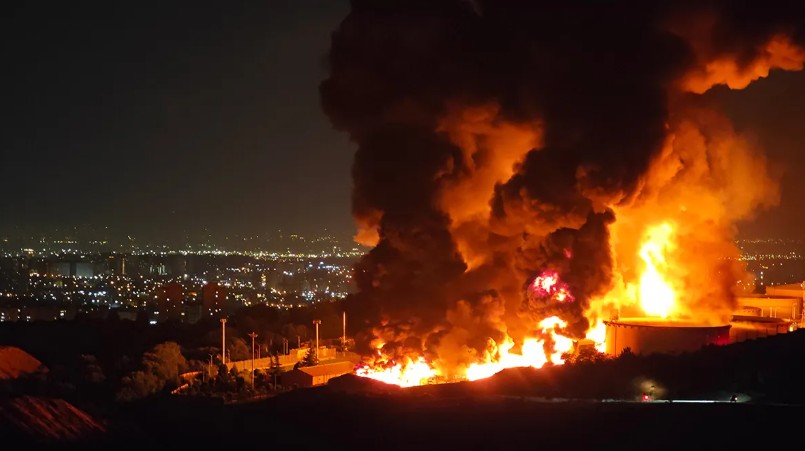
America is bogged down in yet another war, this time without the approval of Congress and without NATO allies assisting us. The damage is profound, the cost is stunning and if it is not quickly halted, the gift just might be a global multi-month recession. In just the first few weeks of bombing, this war has created the largest oil disruption since World War II.
.
I don’t think that you really can compare this with any disruption of the past. This disruption of the Strait of Hormuz is every analyst’s worst nightmare, one that we thought would never happen.”
Dr. Gareth Ramsay, British Petroleum Chief Economist & lead economist for Economics and Energy Insights
.
When oil prices rise more than 100%, the economy typically moves into a recession that is coupled with a stock bear market. Non-US grades of oil are already beyond 100% with some Asian economies reaching a 165% increase in oil prices. “Out of gas” signs are showing up at gas stations all across the globe.
Then? At the start of bombing, President Trump ordered “the complete and total surrender of Iran,” but Iranian missile and drone attacks are ratcheting up, not down. Iran seems able to tolerate declining economic conditions better than many other countries. Iran is a fortress that is completely surrounded by high mountains and these mountains offer unlimited areas to hide low-tech drones and small missiles. Now? The war rages on with Iran’s friends in the area now joining in on the fighting. The Wall Street Journal is reporting that Iran’s peace demands include the removal of all (three are already obliterated) U.S. bases from the Gulf Region and that Iran be allowed to take total control of the Strait of Hormuz, which would include the ability to collect high $-tolls.
Each week of this war, the U.S. has gone through the same number of missiles and rockets that the United States can manufacture in one year. Re-supply may never catch up; the cost will be sky high. The amount of rare & critical minerals that are needed for these weapons is astronomical (MarketCycle’s client accounts bought a “rare and critical minerals” ETF back in early February, before the bombing started). The United States is quickly running into the same trap that Russia got caught in with Afghanistan and Ukraine.
Bombs cost real money. Our National Debt is going straight up. Within a few years, our debt will become unmanageable. Someone recently asked why we hold so much physical gold in our client accounts; “debt and non-stop money printing” was my answer.
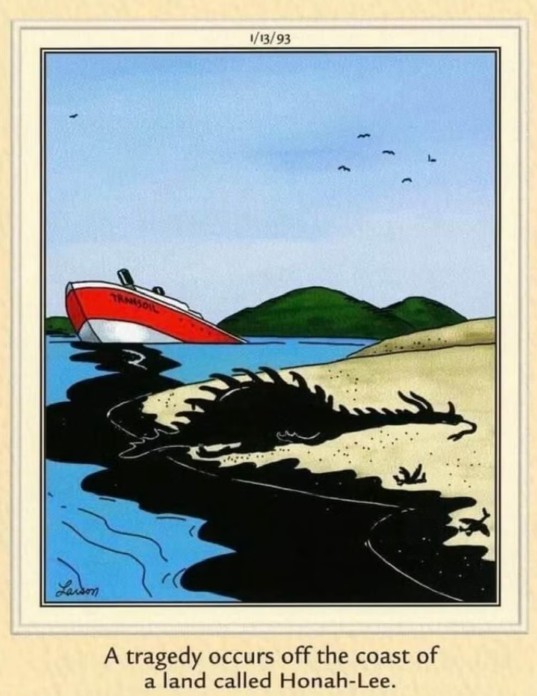
When all is said and done, it might take one year to get oil facilities operational again and several years to obtain full capacity. (The AI & technology sector is relatively insulated from this lack of supply and clean energy may skyrocket, especially since wind and solar can be placed on top of the gigantic data centers.) The disruption from this war represents 20% of total oil destruction; that is a massive loss.
Global GDP will fall. (GDP = Gross Domestic Production of all products and services.) Inflation will rise higher and because of this, the Federal Reserve will not be able to safely lower interest rates. Since fertilizer is made from oil, food prices will increase. And jet fuel & gasoline & shipping fuel costs will jump higher in price. Plastics, pharmaceuticals and clothing fibers will cost more. Construction will also cost more. Because of rising global shipping costs, almost all physical items will increase in price.
Already built renewable clean-energy sources will help the countries of: Sweden, Switzerland, France, Finland, Brazil, Bulgaria, Hungary, Denmark, Slovakia, Portugal Austria and New Zealand. Under our new administration, the United States has already gutted its clean and renewable energy projects, so we get no help there.
Oil? The United States is slightly protected because we are an energy exporter (because of shale deposits). But if we continue to primarily export these oil and gas supplies to other countries, it may not help the average U.S. citizen. Of course, it would help a few corporations.
So, what could make things better? Ending now, pulling out and just declaring a “victory” so that ALL of the bombing stops. AND IMPORTANTLY, we have to remember that stocks are not the economy and they move independent of each other.
Stocks can go higher with what rationally appears to be crippling conditions.
I still believe that the next 2.5 years will be the strongest stock bull market in history.
.
SUMMARY: War is easy to start and difficult to end. This oil disruption will not actually end when President Trump finally declares a “win” and halts the bombing (although there may be a bounce higher in the stock market). Even if a “win” is declared tomorrow, it will still take much of the rest of 2026 for the economy to heal from this self-inflicted wound. But again, stocks are NOT THE ECONOMY!
.
Thanks for reading.
Please consider allowing MarketCycle Wealth Management to help with your investment portfolio management. We work hard to earn our keep, especially during difficult markets.
.
.